
Who We Are
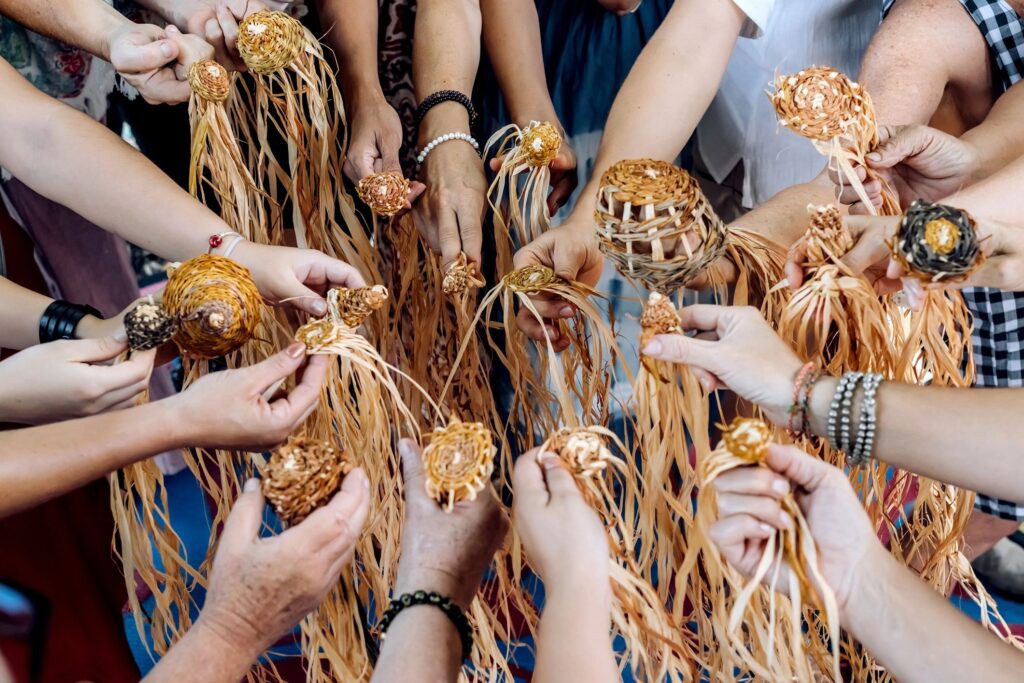
Threads Weaving Dreams is a women-led, grassroots collective based in Western North Carolina. We bring culture, tradition, collective healing, and livelihood creation into one shared practice.
We create spaces where communities can remember ancestral knowledge, exchange ideas, and reimagine traditions for the future, while developing the relationships, skills, and shared enterprises that make economic self-sufficiency possible.
The people who shape this work are our Weavers: culture keepers, artists, educators, caregivers, healers, entrepreneurs, young people, and community builders. Together they weave knowledge and resources into practical responses to everyday needs.
Why This Work Matters
Threads begins with what is already true: communities hold valuable knowledge about raising children, growing and sharing food, making art, teaching, caring for one another, and organizing collective life.
What is missing is rarely the knowledge. People carry essential skills yet lack access to the funding, systems, space, or partnerships needed to earn a sustainable living through their work. Cultural preservation is difficult to sustain when its keepers are expected to contribute without compensation or support.
Threads connects those needs. We work to make the labor of sustaining community both valued and viable, while protecting the relationships and cultural responsibilities that give it meaning.
Where We Work
Western North Carolina. Our home. It is where our collectives meet, where our programs run, and where the bakery operates.
Ethiopia. We work with Borana women supplying frankincense, myrrh, and other traditional resins, and with women’s cooperatives building production, governance, and market access. Our work there runs through locally governed partners and is led by the women themselves.
Seattle, Washington. The Seattle Childcare Collective brings together immigrant women childcare providers carrying East African caregiving traditions into their work with children and families.
How We Work
Threads is a shared support organization for community-led initiatives. We convene Weavers, help them develop ideas, connect them with resources and partners, and hold the practical systems that let those ideas become work. This common structure lets distinct programs share support without losing their own cultural identity or community direction.
Community connection is the foundation. Gatherings, shared meals, storytelling, intergenerational learning, and facilitated listening create space for belonging, remembering, and collective healing. These practices run through everything else.
Cross-pollination expands what is possible. Weavers learn from one another’s approaches to care, education, food, art, and leadership, then take what is useful into their own context. Exchange is reciprocal, and each community keeps authority over its knowledge, identity, and decisions.
Cooperative development turns ideas into livelihoods. Weavers identify a shared need and explore how meeting it could generate paid work. Threads helps organize the group, clarify roles, assess demand and costs, build skills, and test a service or product. Where members choose cooperative ownership, they develop shared decision-making, compensation, and reinvestment arrangements with specialist support.
Shared support makes participation practical. Program coordination, fundraising, partnership development, communications, financial administration, and access to training. This lets Weavers focus on their craft and community work while building their own capacity to lead.
Culture Is the Center, Not a Commodity
Every program includes an economic pathway, but not every gathering must charge a fee, and not every tradition should become a product. Some activities create direct earnings. Others support livelihoods through shared services, reduced costs, paid leadership, or grant-supported cultural work.
Sacred, private, or restricted knowledge remains under the authority of its keepers. Consent, attribution, fair compensation, and community benefit guide what is shared.
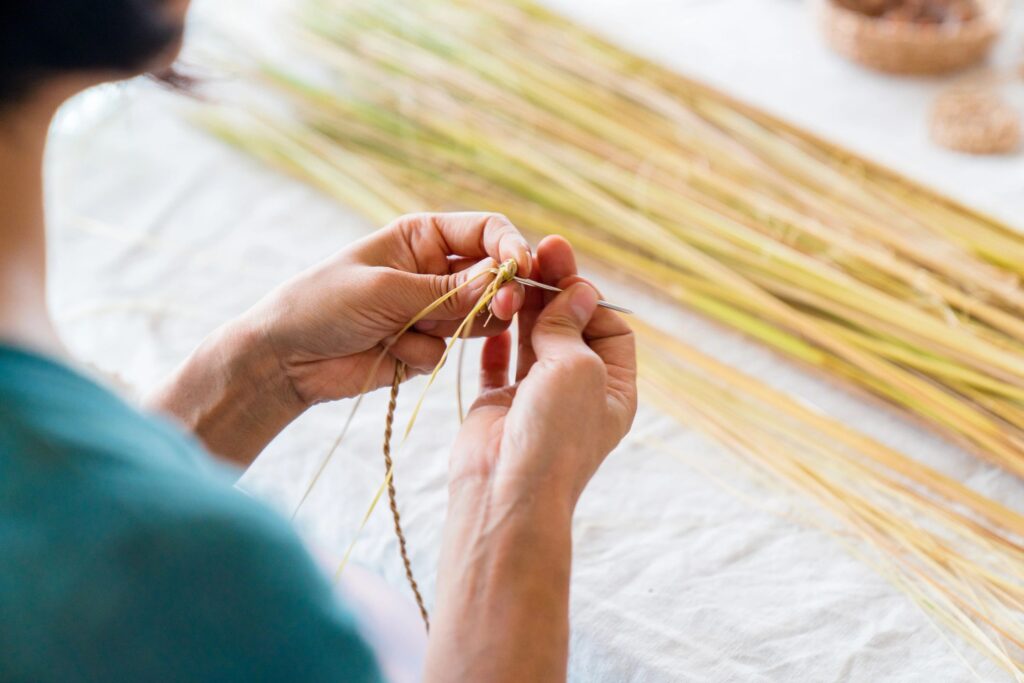
We are mothering one another and the world back toward health. Not by assigning care to women alone, but by honoring mothering as a shared practice of protection, nourishment, truth-telling, accountability, imagination, and responsibility for the future.
Mission To bring communities together to preserve and reimagine living cultural knowledge, strengthen collective care, and build community-led cooperatives and livelihood opportunities that meet shared needs.
Vision Culturally rooted, economically secure communities where people can care for one another, shape their own futures, and carry ancestral wisdom forward across generations.
Core Values
Community. We build in circles, not hierarchies. Groups make their own decisions about their own work.
Empowerment. We resource what women already know rather than importing what we think they need.
Creativity. Making is a form of thinking, and beauty is a practice of care.
Interconnectedness. We understand ourselves as part of the living web rather than separate from it, and we hold that as both an ecological fact and an ethical commitment.
Reciprocity. Care flows in every direction: between generations, between groups, between people and the land that feeds them.
Sustainability. We work at the pace of the land, with what the land can spare, toward outcomes that outlast us. No woman gives more than she can renew.
Inclusivity. Access is a design decision. Cost, childcare, transportation, and language all determine whether a door is truly open.
Our Roots
Threads Weaving Dreams began in 2007 and has taken several forms since. What has held steady is the belief that women already carry what their communities need, and that the missing piece is rarely knowledge. It is resources, time, care for children, a way to get there, and people alongside.
How We Organize
Threads organizes its work through relationships, shared responsibility, and community leadership. Our structure connects the people who carry cultural knowledge, the Weavers who shape our programs, the partners who contribute services, and the staff who coordinate the work.
Decisions are made as close as possible to the people affected, while legal, financial, and ethical responsibility stays explicit and traceable.
Weavers are the people who bring Threads to life through their knowledge, skills, relationships, and participation: caregivers, artists, makers, educators, entrepreneurs, culture keepers, and community builders. Weaver describes belonging and contribution within the collective.
Weavers identify community needs and opportunities, shape and participate in programs and shared enterprises, contribute to decisions that affect their work and livelihoods, and bring forward what is working and what needs to change.
Culture keepers are recognized by their communities for carrying particular knowledge, traditions, languages, arts, or practices. Their authority comes from their relationship with the knowledge and from the community that entrusts it to them.
They guide the respectful teaching and transmission of that knowledge, identify what can be shared publicly and what requires permission, support accurate attribution and fair compensation, and mentor younger generations.
Culture keepers guide the specific knowledge they carry. No individual speaks for every Indigenous community or tradition represented within Threads.
Staff hold the coordination and administrative work that lets the wider network function: programs and schedules, partnerships, fundraising, communications, records and reporting, and removing barriers to participation.
Staff support community leadership while remaining accountable for delivery.
Four councils bring distinct forms of wisdom and expertise into organizational decisions.
Council of Elders. Cultural continuity and the long view. Guides our relationship with ancestral knowledge and community values, supports respectful exchange across cultures and generations, advises on sensitive community relationships, mentors emerging leaders, and asks how major decisions affect future generations.
Council of Grandmothers. Collective care and intergenerational wellbeing. Keeps the needs of children, women, caregivers, and families visible in decisions; guides practices of welcome, belonging, and mutual care; names when workloads or participation barriers are harming people; and helps shape respectful responses to conflict and harm.
Financial Council Circle. Stewardship of shared resources. Reviews budgets, financial reports, and funding plans; helps projects understand costs, pricing, compensation, and viability; and keeps financial decisions transparent and legible to the people they affect.
Legal Council Circle. Rights, agreements, and organizational integrity. Coordinates qualified legal review of governing documents and significant agreements, clarifies responsibilities among Threads, partners, and cooperatives, and explains issues in language that supports informed community decisions.
One representative from each of the four councils forms our Leadership Council, which serves as our governing body. Together they bring cultural continuity, collective care, financial stewardship, and legal understanding into the organization’s governance.
The Leadership Council protects the mission, approves the annual budget and major commitments, appoints and supports the executive director, reviews program progress and community feedback, and maintains accountability to Weavers.
Representatives carry their councils’ perspectives while accepting responsibility for the wellbeing of Threads as a whole. Before making decisions that substantially affect a project’s work, cultural practices, or livelihoods, the Leadership Council seeks input from the people concerned.
Threads Staff
Naima
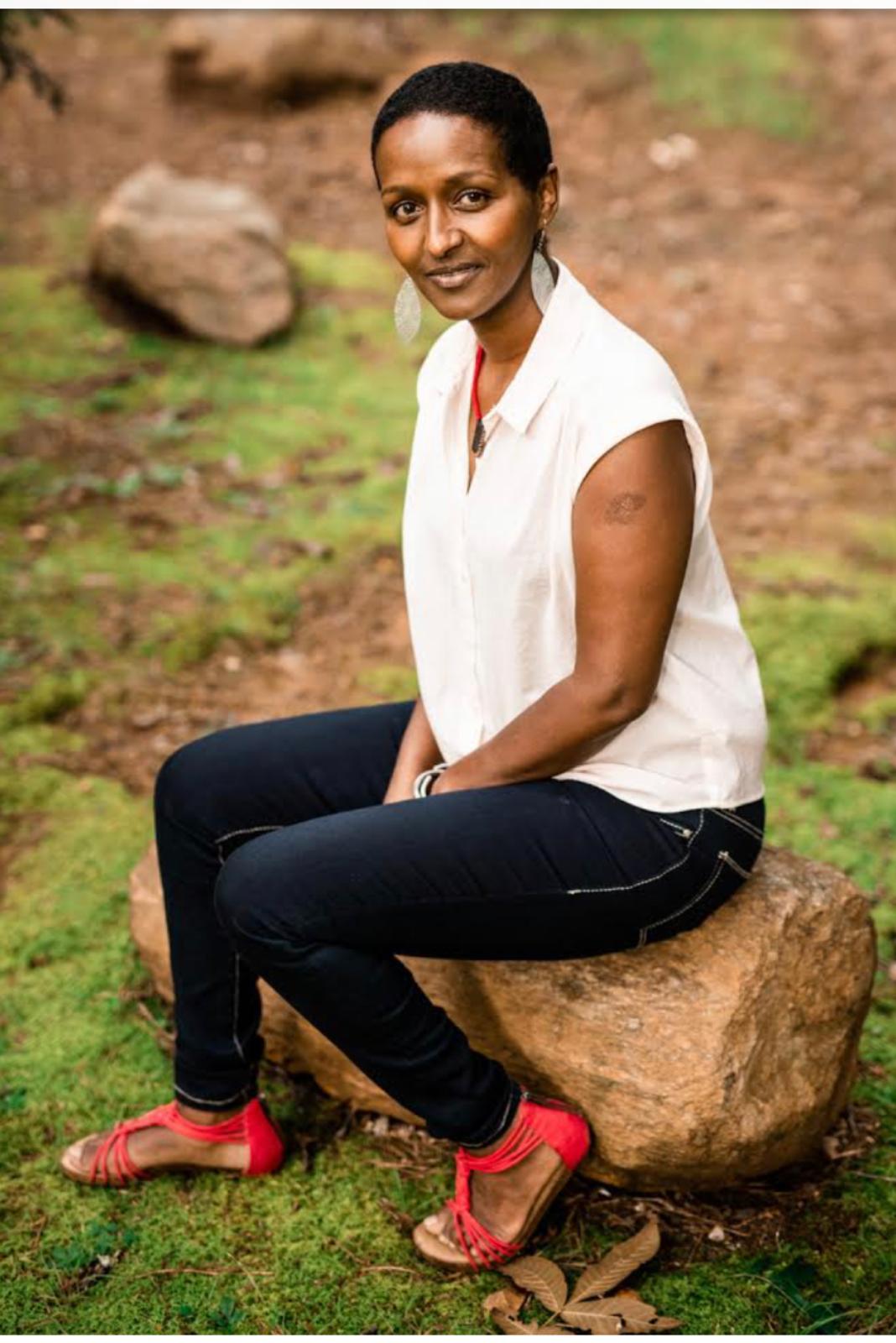
Bea
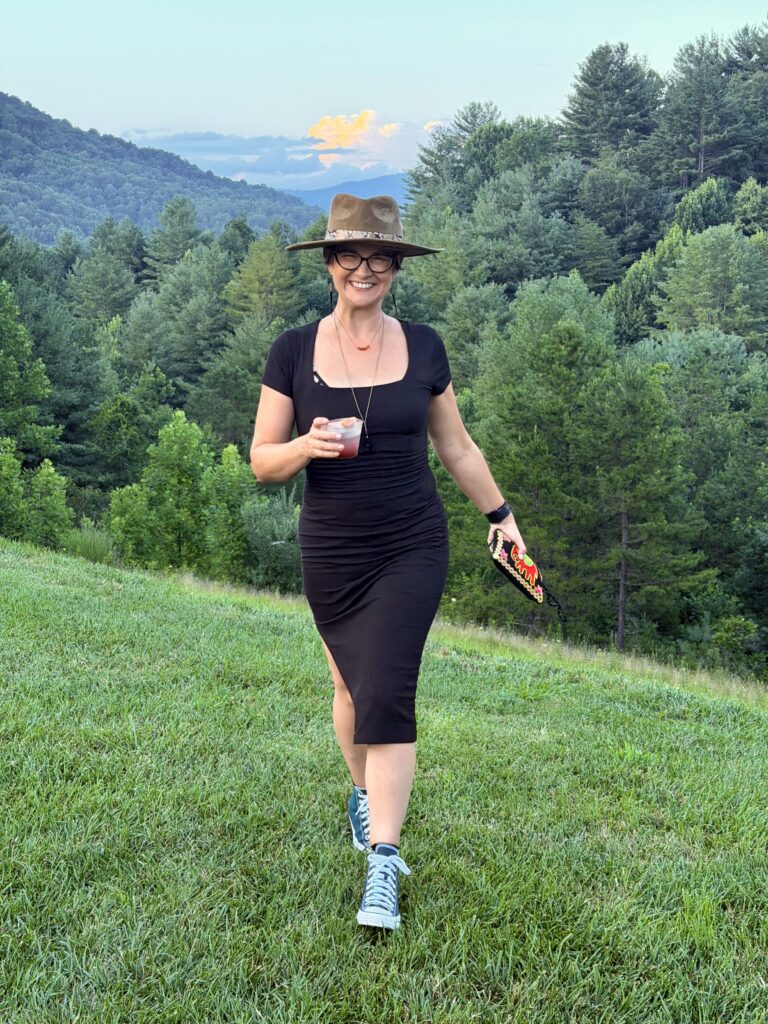
Carmen
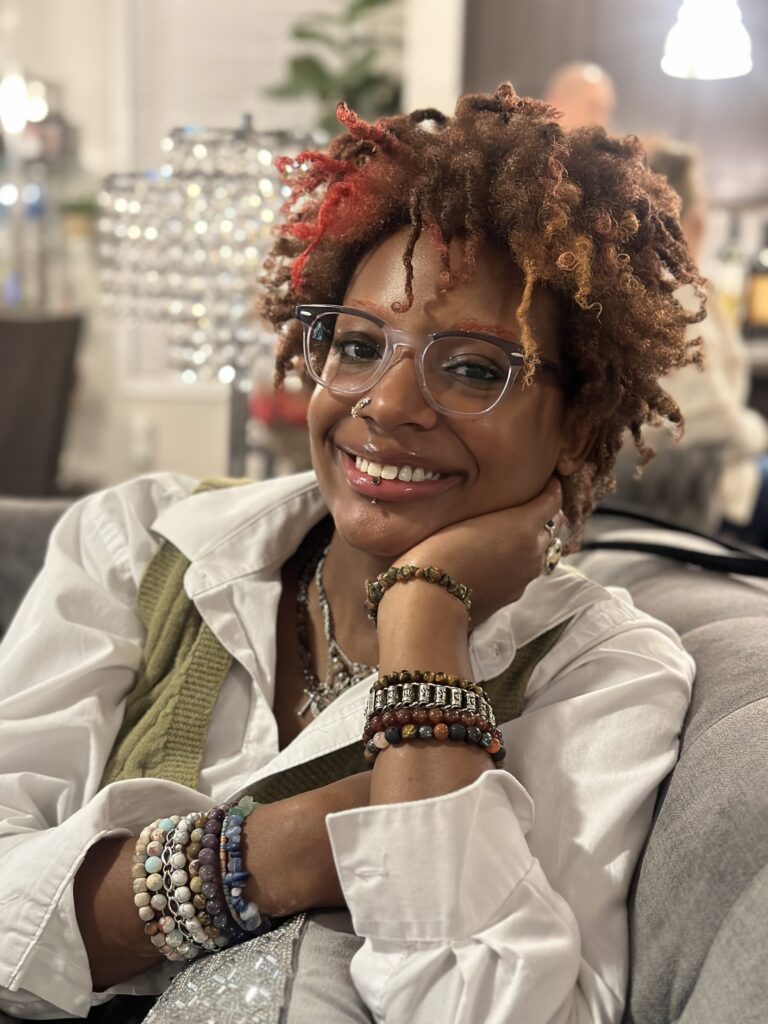
Be Part of the Weave
Whether you want to learn, teach, support, or simply connect, there is a place for you at Threads Weaving Dreams.